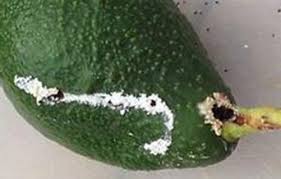
Fight False Codling Moth (FCM) with Smart Traps from Agape Innovations Uganda

What is the False Codling Moth (FCM)?

False Codling Moth (Thaumatotibia leucotreta), commonly abbreviated as FCM, is a highly destructive insect pest that threatens a wide range of crops in Uganda and across sub-Saharan Africa. It is especially notorious in citrus fruits, avocado, mango, maize, cotton, and chili, causing both direct yield loss and market rejection due to quarantine regulations in export markets.

FCM is classified as a regulated pest by several export destination countries, meaning that even a single infested fruit can result in the entire consignment being rejectedβ€”a huge financial loss to farmers and exporters.


Why Is FCM a Serious Problem?

  • πŸ› Larvae feed inside the fruit, making early detection difficult.
  • ❌ Causes internal rotting, premature fruit drop, and reduced quality.
  • 🚫 Triggers export bans or phytosanitary rejections if found in produce.
  • πŸ’Έ Leads to massive income loss for farmers, aggregators, and exporters.
  • πŸ§ͺ Resistant to many chemical pesticides, especially in hot, humid areas.

How FCM Infests Crops

  1. The female moth lays eggs on the surface of fruits, leaves, or flower buds.
  2. When the larvae hatch, they burrow inside the fruit to feed.
  3. The infestation remains hidden until the fruit matures or decays.
  4. The larvae exit the fruit to pupate in the soil or plant debris.
  5. The cycle continues, with multiple generations per season, especially in warm climates like Uganda.

The Agape Innovations Solution: FCM Pheromone Traps

At Agape Innovations, we offer pheromone-based delta and bucket traps that attract and capture male FCM moths using synthetic sex pheromones. This breaks the reproductive cycle, drastically reducing future populations in a chemical-free, environmentally friendly way.


Benefits of Our FCM Trapping System

  • βœ… Early Detection & Monitoring – Know when the pest is active and plan interventions.
  • βœ… Mass Trapping of Males – Reduces mating and future infestation.
  • βœ… Safe for Export Crops – Helps meet strict phytosanitary requirements.
  • βœ… Residue-Free Farming – Suitable for organic and export-focused farmers.
  • βœ… Reusable & Scalable – Durable traps that can be scaled across fields and seasons.

Our FCM Traps Include:

🟒 Delta Traps

  • Triangular traps with sticky liners.
  • Ideal for monitoring and early detection.
  • Can be placed at canopy level for best results.

πŸ”΅ Bucket Traps (with Insecticide Strips or Sticky Inserts)

  • Larger traps for mass trapping.
  • Suitable for high-pressure FCM zones.
  • Used in combination with attract-and-kill techniques.

Where and When to Use FCM Traps

  • πŸ₯­ Mango orchards
  • 🍊 Citrus plantations
  • πŸ₯‘ Avocado farms
  • 🌢️ Chili fields
  • 🌽 Maize and cotton fields near fruit crops

πŸ•’ Start trapping 6–8 weeks before flowering or fruiting and continue throughout the season. Traps should be checked weekly, and pheromone lures replaced every 4–6 weeks.


Why Choose Agape Innovations?

Agape Innovations is at the forefront of eco-smart pest control in Uganda. When it comes to False Codling Moth, we offer more than just trapsβ€”we deliver:

  • πŸ‘©β€πŸŒΎ Field Support & Training – We show farmers and exporters how to use and monitor traps effectively.
  • πŸ“¦ High-Quality Trap Kits – Durable, weather-resistant, and easy to install.
  • πŸ“Š Monitoring Tools – Support in counting captures and making pest control decisions.
  • 🚚 Reliable Supply & Delivery – Get your traps when and where you need them.

Real Impact on the Ground

Farmers and exporters working with us in Luweero, Wakiso, Mukono, Masaka, and Kayunga have seen a drastic drop in FCM infestations, regained access to export markets, and lowered pesticide use. Many are now part of organic and eco-certification programs thanks to our trap-based FCM control systems.


Frequently Asked Questions

Q: How many FCM traps should I use per acre?
A: For monitoring: 2–3 traps/acre. For mass trapping: 10–12 traps/acre, depending on pressure.

Q: Are the traps reusable?
A: Yes. The trap structure is reusable. Only the sticky liners and pheromones need regular replacement.

Q: Can I integrate FCM traps with other control measures?
A: Absolutely. FCM traps work best when combined with field sanitation, resistant varieties, and biological controls.


Protect Your Farm and Exports β€” Act Now!

Don’t wait until your fruits are rejected at the packhouse or border. Start trapping and monitoring for FCM early in the season to keep your farm productive and your produce market-ready.

πŸ“ž Call/WhatsApp: 0771830747/0701908087
πŸ“ Visit us: Kingsway Plaza, Room F9, Kampala
🌐 Website: www.agapeinnovations.com
πŸ“§ Email: agapeinnovationslimited@gmail.com

Agape Innovations β€” Eco-Friendly Pest Solutions for Smarter Farming.

Leave a Reply